A new lens on a familiar story
I have watched a familiar public thread take on new color. Where once the narrative centered on marriage and family, I now notice the smaller stitches that hold a life together after it unravels. Debra Denise Winans did not simply leave a chapter behind. She rewrote the footnotes, and in doing so she carved out a different kind of stage. I want to look past the headlines and sit with the place where resilience actually happens. That place is not dramatic. It is domestic, slow, exacting work. It is the sort of work that looks like making the bed every morning so the day begins on the level.
The book as a toolbox
When I read a book that matters to me, I pay attention to the verbs. In Debra Denise Winans work the verbs are small and practical. She writes about waking up, choosing a boundary, naming a feeling, showing up for a child, making a phone call to a friend. Those are not glamorous verbs. They are the structural verbs of life. The book acts as a toolbox because it gives language to those actions. It gives permission to the ordinary, and it reminds the reader that ordinary actions have cumulative force. If a cathedral is built stone by stone, then a life of wholeness is built decision by decision.
How the speaker emerges from the private
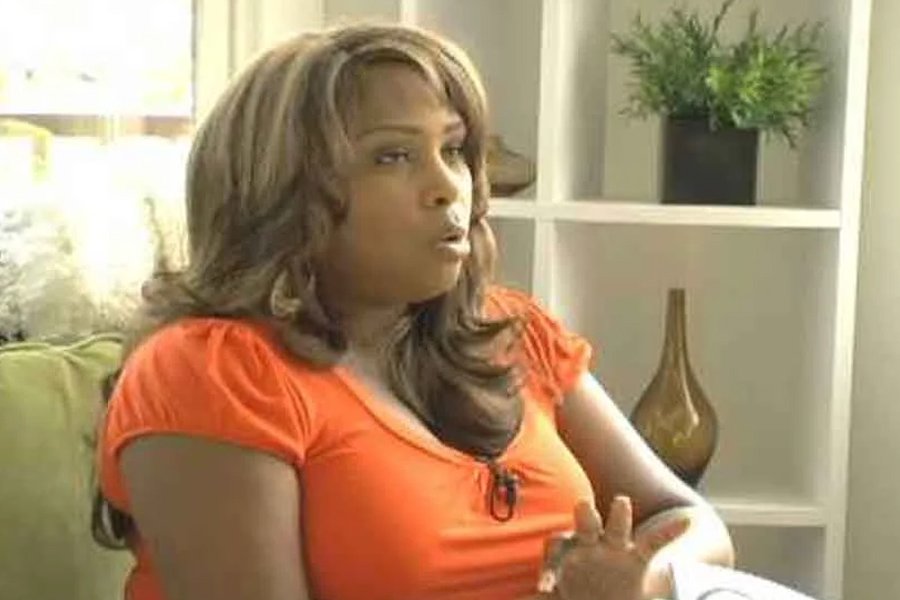
I have seen people shift from private to public not by accident but by design. Debra moved in that direction thoughtfully. She took the language of her private practice and made it sharable. That means refining a story until the bones of it are visible and strong. It also means translating pain into patterns someone else can use. I admire that work because it is translation. A private ache becomes communal instruction. A memory becomes a lesson. Through interviews and events she takes pieces of her life and converts them into an architecture other people can enter.
The economics of healing as a vocation
I am candid about the reality that healing can also be a livelihood. Turning lived experience into a speaking career, workshops, or small group programs is a practical path. That does not cheapen the experience. It professionalizes the calling. Money buys reach, and reach buys impact. I notice that when someone crafts a method that others find useful, the market will respond. That response can enable more work, and more work creates more stories to tell. The cycle is pragmatic. It is also honest. There is dignity in being paid for labor, and emotional labor counts as labor.
Family, privacy, and public obligation
Family life continues in the margins of public narratives. I think of children as anchors in storms; for those children the public story is only one small set of ripples. Debra Denise Winans navigates the demands of being both a mother and a public figure with attention to privacy. There is a careful choreography in deciding which details to share and which to keep. In my experience, that choreography protects the people who matter most. It also models for audiences how boundaries look in practice. Boundaries are not walls. They are gates that open when appropriate and close when necessary.
Practices I see and try to use
There are practices I have taken from listening to people like Debra, and I share them because they are useful in ordinary living. I start with the day. A consistent morning ritual anchors choices. I keep lists that are small enough to finish. I name one boundary by noon every day. I practice the brief conversation that prevents longer damage. These are tiny interventions. They do not fix a life instantly, but they redirect it. Over months the redirection becomes the trajectory. I call this the snowball principle of recovery. A pebble becomes a stone. A stone becomes momentum.
The texture of public healing work
Public healing work is textured. It sits between sermon and therapy. It borrows the cadence of both. I notice a rhythm: story, principle, practice. Story invites empathy. Principle organizes the story. Practice makes it usable. When Debra speaks she follows that rhythm. She tells a moment. She draws a line. She gives a next step. That format is efficient because people leave with something they can do before dinner. A lot of recovery work fails because it asks for a transformation that takes too long to begin. Small, immediate actions are a better invitation.
The tension between truth and image
There is a persistent tension in public life between truth and image. I have seen how easily an image can flatten a complicated person into a single frame. Debra Denise Winans resists that flattening. She allows complexity to be part of her public persona. This is not always applauded. People prefer tidy stories. I prefer honest ones. Complexity is the raw material of authenticity. When someone keeps the rough edges, they give others permission to keep theirs.
FAQ
Who is Debra Denise Winans?
I see her as an author and speaker whose primary work is about recovery, boundaries, and practical resilience. She is also a parent and a person who has navigated public scrutiny while rebuilding a private life.
What does her book offer readers?
In my view the book offers both witness and tool. It does not only recount what happened. It provides small practices readers can try, language to name emotions, and the steady reassurance that change is incremental.
Is she still married to Benjamin Winans?
No. Their marriage is part of the public record from earlier decades and it later ended. I focus more on what followed because the aftermath is where the work is often done.
How many children does she have?
She is a parent to two children. I think about parenthood as the daily practice that tests all our other work. Parenting keeps the healing honest.
What does she focus on in her speaking?
She centers on resilience, faith informed growth, personal boundaries, and practical steps for life after transition. Her talks are designed to leave people with things they can do the same day.
Did she address the public legal episode in 2009?
Yes. She has spoken about the emotional impact of that period while emphasizing recovery and forward motion. I find that her emphasis is on rebuilding rather than reliving.